
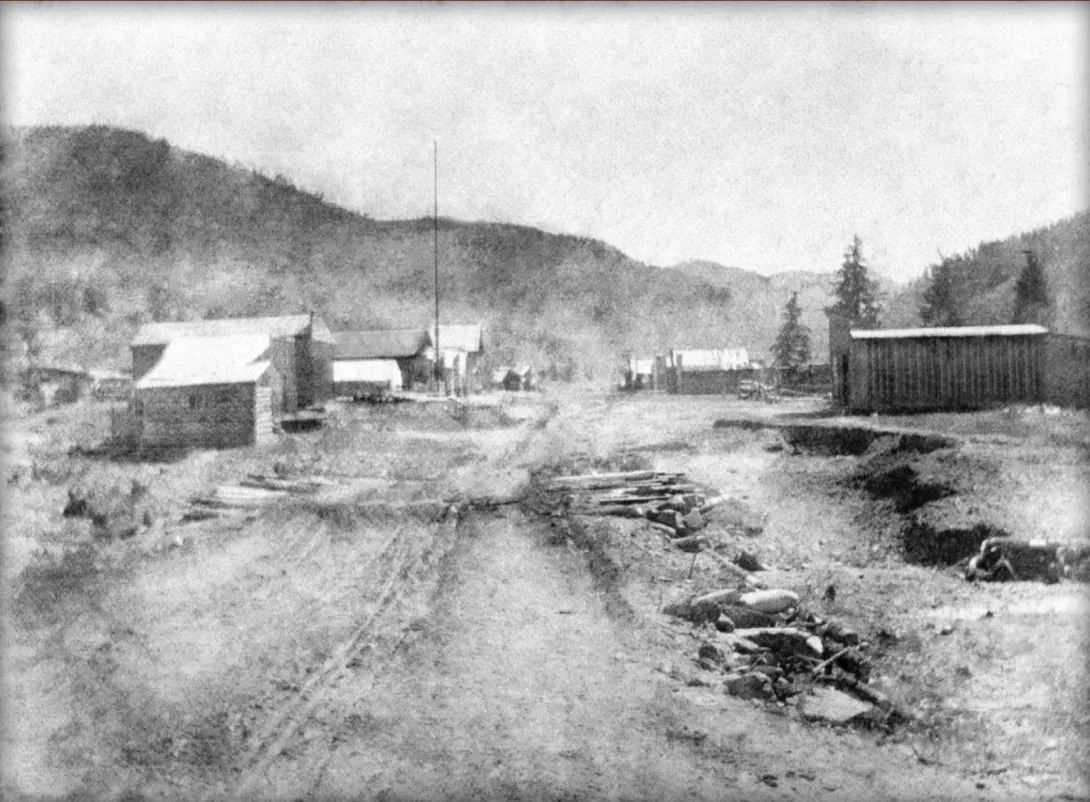
The Complete History of Red River, New Mexico
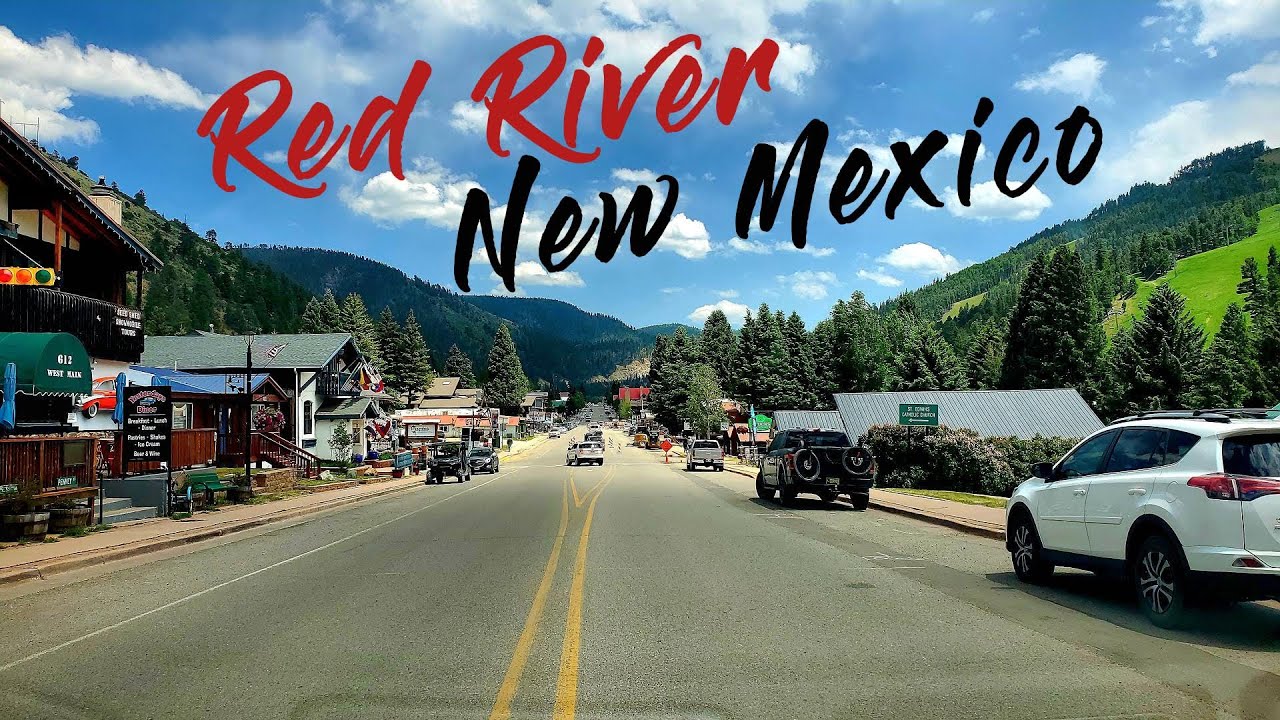
Red River, New Mexico, is a picturesque resort town nestled in the Sangre de Cristo Mountains within Taos County. With a population of 542 as of the 2020 census, it serves as a year-round destination for outdoor enthusiasts, offering activities like skiing, hiking, fishing, and mountain biking. Originally a Native American hunting ground, the town transformed through mining booms, outlaw eras, and economic shifts into a thriving tourist hub. This article explores its history from geologic origins to the present day, drawing on archaeological, historical, and cultural records.
Geologic Origins: Billions of Years in the Making 🌋
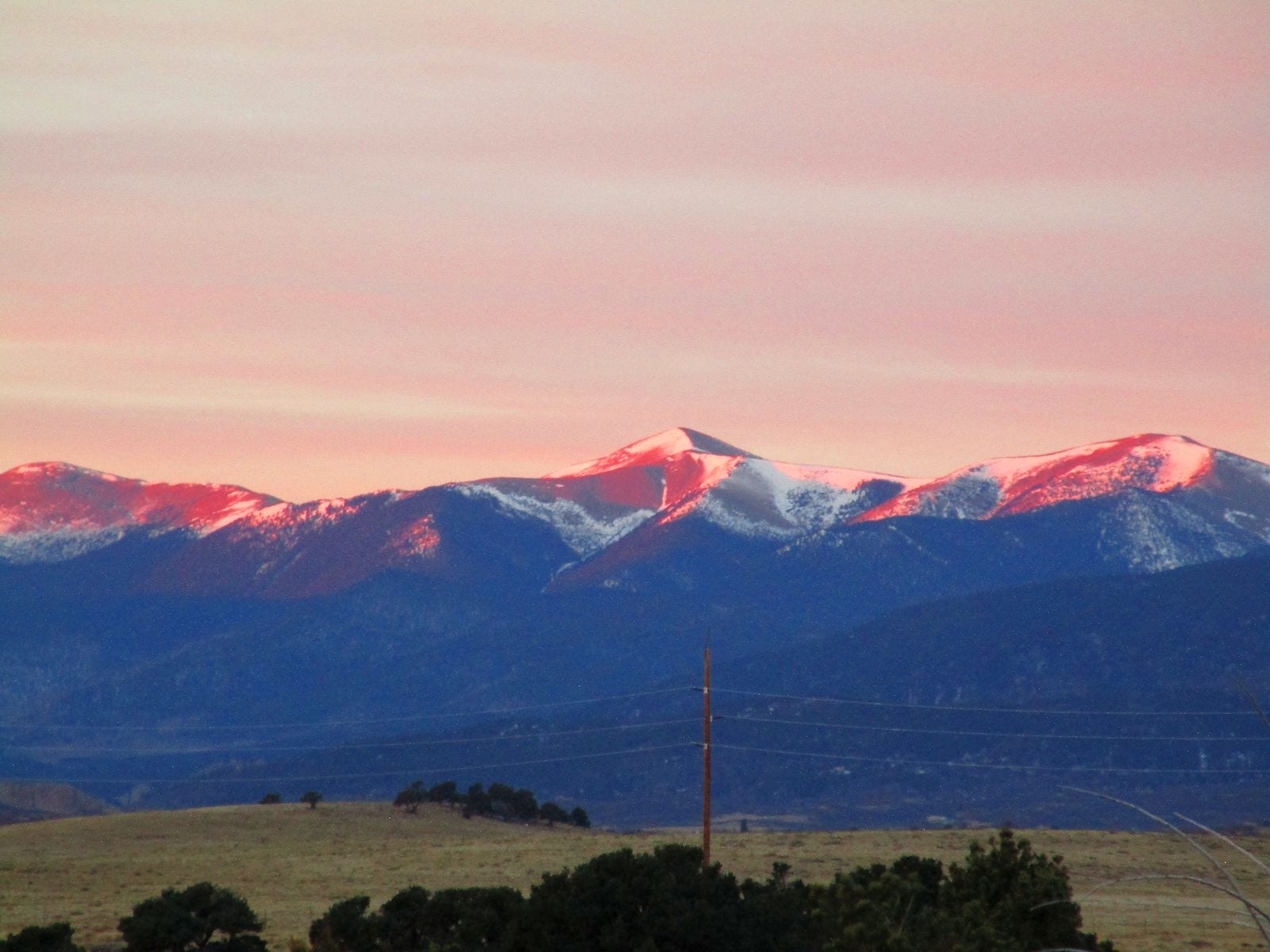
The landscape of Red River has been shaped over billions of years by tectonic forces, volcanism, and glaciation. During the Precambrian Era, from 4.54 billion to 543 million years ago, rocks now visible at Wheeler Peak—the highest point in New Mexico at 13,161 feet—were buried deep beneath the Earth's surface. Between 1.8 and 1.4 billion years ago, continental collisions formed ancient mountain ranges, resulting in metamorphic rocks exposed in areas like the Wheeler Peak and Columbine-Hondo Wilderness. Sedimentary rocks accumulated in ancient ocean basins around 1.7 billion years ago, later metamorphosed and intruded by granitic formations visible today on Bobcat Pass and Wheeler Peak.
By 310 million years ago, the ancestral Rocky Mountains emerged, submerging much of New Mexico under tropical seas and depositing sedimentary layers rich in marine fossils like bivalves, snails, sea lilies, and corals. These layers were later folded and faulted during mountain-building events around 286 million years ago. From 70 to 33.7 million years ago, tectonic upheaval created the modern Rocky Mountains and Sangre de Cristo range, positioning the Taos Range (including Wheeler Peak) between the Rio Grande Rift to the west and the Raton Basin to the east.
The Rio Grande Rift formed between 35 and 26 million years ago as the Earth's crust spread apart, sparking volcanic activity and filling basins with sediments from eroding mountains. Around 25 million years ago, the Questa Caldera erupted near Latir Peak, collapsing and ejecting Amalia Tuff that formed ridges between Red River and Cabresto Creek. Hot mineralized fluids altered local rocks, leading to yellow staining and mudflows that dammed the Red River, creating meadows and modern campgrounds. About 3 million years ago, the Rio Grande began carving through sediments and lava in the Red River Canyon, with its headwaters extending from southern Colorado via the San Luis Valley after 600,000 years ago.
During the Pleistocene Epoch (the last 1.8 million years), ice ages brought glaciers to higher peaks, sculpting U-shaped valleys, cirques, and mountain lakes. The Bull of the Woods glaciation, starting around 150,000 years ago, further shaped the terrain. These ancient Precambrian rocks, the oldest exposed in New Mexico, contain valuable minerals like gold, silver, and copper, setting the stage for later human exploitation.

Native American Era: Pre-1525 to Mid-19th Century 🏹
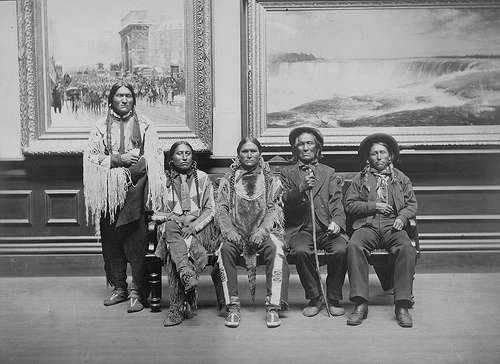
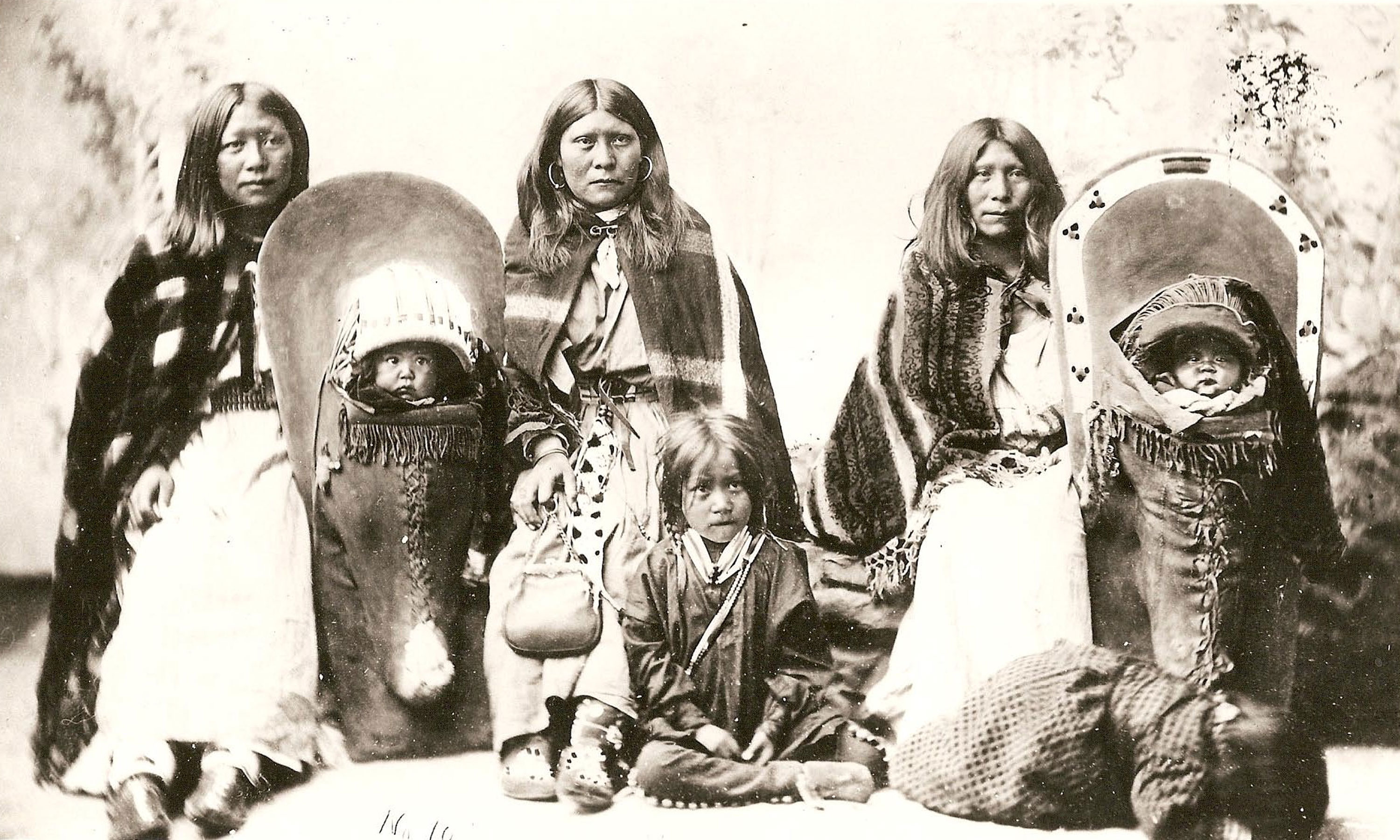
Before European contact, the Red River area was a vital summer hunting ground for Indigenous peoples. The Jicarilla Apache inhabited the Sangre de Cristo Mountains, including regions north of Taos Pueblo, since before 1525, living a semi-nomadic life of hunting, gathering, and limited cultivation. They coexisted peacefully with neighbors but resisted Spanish and later American incursions. Apache creation stories tie the land to deities like the sun and moon, with heroes Naiyenesgani (Killer-of-the-Enemies) and Kubatc’istcine (Child-of-the-Water) slaying a giant elk near Taos, carving the Rio Grande Gorge with aid from a gopher and spiders.
The Ute people migrated to the Four Corners region around 1300 AD, extending into northern New Mexico and becoming skilled horsemen and raiders by the 18th century. They targeted Puebloans, Jicarilla Apaches, Navajos, and Spanish settlements from 1730 to 1750, with raids continuing into the 1840s. Spanish explorers, including Francisco Vásquez de Coronado in 1540, visited Taos Pueblo, leading to settlements near Taos by 1615 and tensions, such as the 1631 killing of a priest and soldiers.
The 1680 Pueblo Rebellion expelled the Spanish, but Diego de Vargas reconquered New Mexico in 1692. In the 1690s, bands like the Río Colorados and Achos (later called Jicarillas) inhabited the Red River area, serving as a buffer against Comanche and Ute raiders. By 1724, many Apaches had relocated to Taos for protection. In the mid-1800s, Jicarilla faced displacement, broken treaties, diseases like tuberculosis, and hardship; their reservation was established in 1887 and expanded in 1907 for ranching and resource use, with sacred sites still visited today.
Ute bands signed a 1849 treaty allowing U.S. passage in exchange for goods, but conflicts with miners led to relocation attempts in 1863. Agencies opened in Taos (1850, reopened 1853 with Kit Carson as agent), distributing rations in Red River and nearby areas. Today, Ute reservations span southwestern Colorado, northwestern New Mexico, and Utah.
Exploration, Trappers, and Mountain Men: Early 19th Century 🧭
French Canadian and American fur trappers arrived in the early 1800s, establishing trading posts and using the Old Spanish Trail. The fur trade boomed after the 1803 Louisiana Purchase, driven by demand for beaver pelts. Taos became a base, with the annual Taos Trade Fair facilitating exchanges followed by festivities involving local women, gambling, and "Taos Lightning" whiskey. Trappers wintered in Taos and trapped in spring, often adopting Native lifestyles.
The trade declined in the 1830s due to beaver scarcity and shifting fashions to silk hats, but many mountain men remained in New Mexico. Notable figures include Kit Carson (1809–1868), who arrived in Taos in 1826, married an Arapaho woman and later a Taoseña, and served as a trapper, Indian fighter, and Jicarilla agent. His Taos home is now a museum.

The Mining Boom: 1867–1905 ⛏️
Mining began modestly in 1867 with the Copper King mine, Taos County's first known operation. Prospecting intensified after 1866 gold discoveries in nearby Elizabethtown, drawing miners to the Red River valley. Initial yields were low, and the Red River Mining Company's 1879–80 smelter proved inefficient.
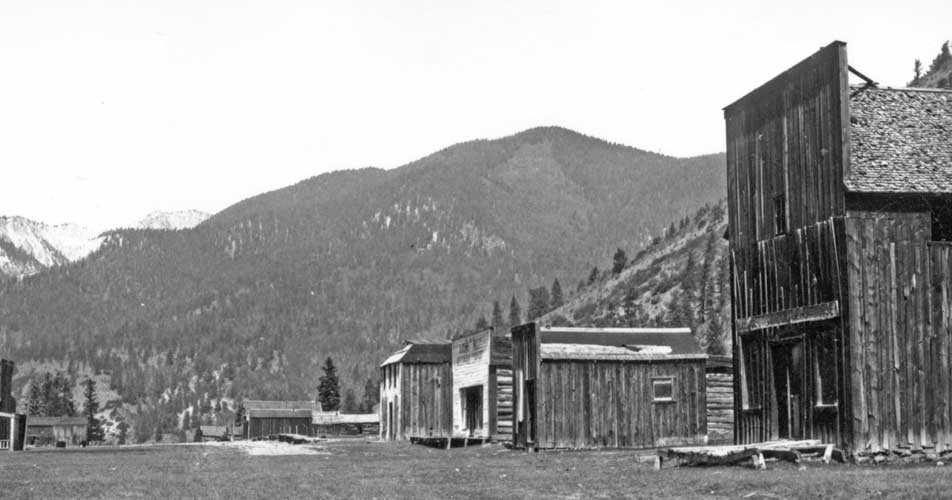
By spring 1895, gold and silver strikes in high-country streams sparked a boom, transforming grazing lands into Red River City with tents, log cabins, and a population estimated at 1,500–3,000. Key mines included Gilt Edge Placer, Golden Treasure, Junebug, Silver Queen, Jayhawk, Inferno, Independence, and Black Copper. Prospectors—often non-professionals like shopkeepers and farmers—flocked amid economic hardship. Large companies bought claims, such as Harry Brandenburg's 1897 sale of his Black Copper share for $4,000, yielding $200,000 in ore.
The town, initially called River City, featured over a dozen saloons, a dance hall, hotels, boarding houses, two general stores, two newspapers, a sawmill, a livery stable, and a red light district with gambling and brawls. Mining peaked in 1897 but faced challenges: low-grade ore, high transport costs to smelters like Pueblo, Colorado, and flooding. By 1905, the population dwindled to 150 as miners left for Cripple Creek and the Klondike, ending major operations though minor prospecting continued.
Outlaw and Wild West Elements 🤠
Red River's mining era embodied the Wild West myth, with rough miners, outlaws, and occasional Ute bands. The town's saloons and red light district fostered gambling, brawls, and lawlessness. This outlaw legacy persisted into modern times via the annual Memorial Day Motorcycle Rally, starting in the early 1980s with about 26 participants and growing to 25,000–28,000 by the 2020s, attracting groups like the Bandidos and Waterdogs. Initially organized by the Chamber of Commerce, it boosted the economy but brought violence, accidents, and fatalities.
Sporadic incidents included fistfights and a 2015 link to a deadly Waco brawl. In 2023, gun violence on Main Street killed three and wounded several, prompting Mayor Linda Calhoun to suggest ending the event and rebranding toward family and veteran-focused activities. However, by 2026, the rally has been revived under the name "Revive The Ride," scheduled for May 21-25, continuing the tradition with events in Red River. This evolution reflects a shift from romanticized outlaw history to safer, yet enduring, tourism.
Decline of Mining and Rise of Tourism: 1905–1950s 🏞️
As mining waned by 1905, homesteaders replaced prospectors, renting abandoned cabins to flatland visitors escaping summer heat. By the late 1920s, Red River gained fame as a mountain playground and trout fishing paradise, with tourism becoming the primary economy. The last serious mining ended in 1931, solidifying the shift.
The 1950s saw growth with new lodges and restaurants, setting the stage for winter attractions.
The Ski Era and Modern Tourism: 1959–Present 🎿
In December 1959, Oklahoma businessmen Stokes E. and Billie Bolton opened the Red River Ski Area using surplus oil derrick steel for lift towers, hiring Buzz Bainbridge and Toni Woerndle to manage operations and the ski school. Sold to J.B. Veale, it expanded with hires like Sigi Klein and Erich Windisch, boosting its reputation.
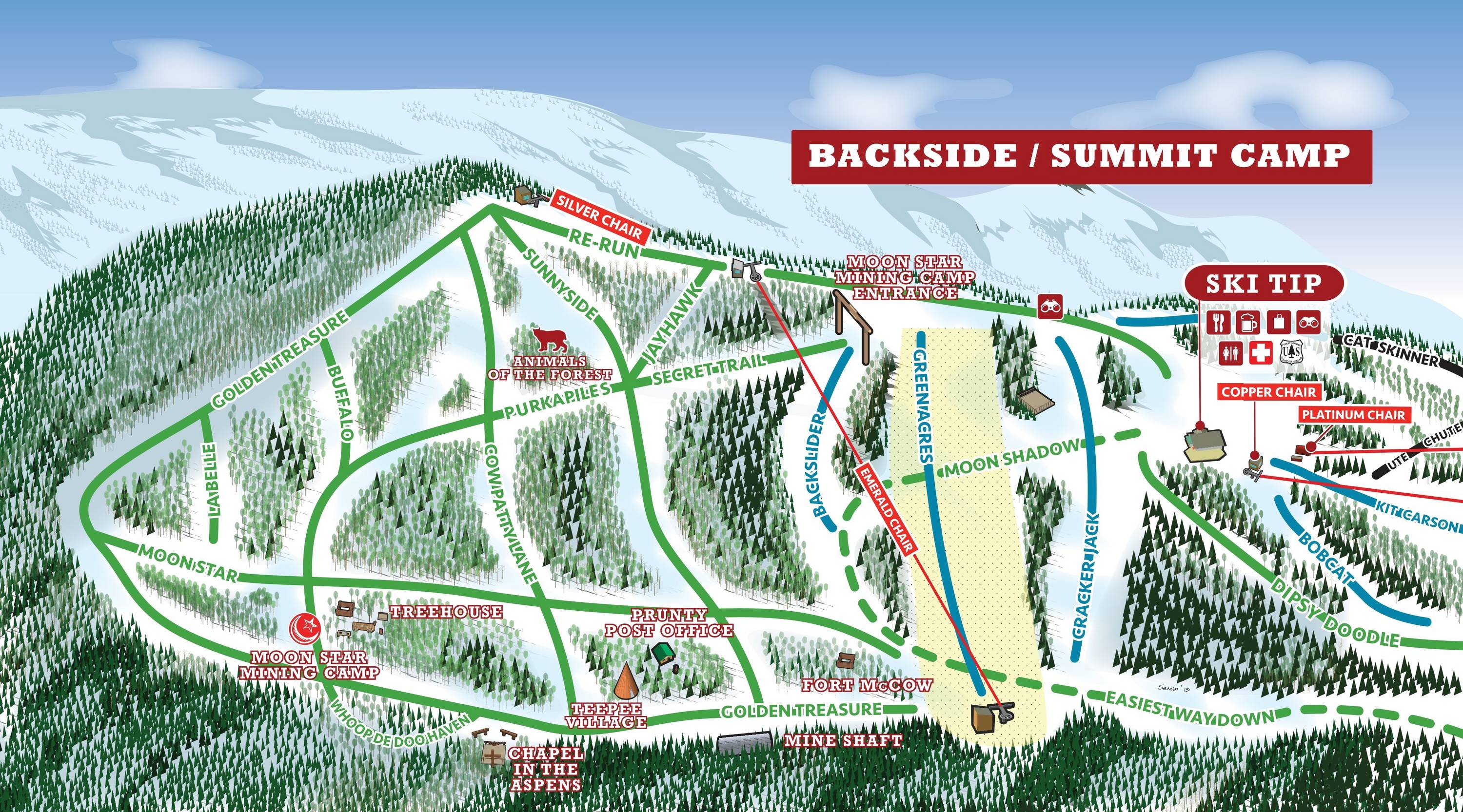
In the 1980s, Drew Judycki advanced from marketing director to sole owner in 1998, focusing on expansions in snowmaking, grooming, and summer activities until his 2008 passing. Today, managed by son Linton Judycki, the family-owned area operates on Carson National Forest land under a U.S. Forest Service permit, emphasizing guest experiences while retaining small-resort charm. Recent improvements include enhanced snowmaking, grooming systems, and e-commerce features.
Modern Red River thrives on tourism, with winter skiing, snowboarding, and snowmobiling; summer hiking, biking, fishing, and horseback riding; and events like the revived motorcycle rally. A free bus system aids access, and the town incorporated in 1971. Population grew from 332 in 1980 to 542 in 2020, with minor fluctuations. Notable events include providing the 2019 U.S. Capitol Christmas tree.
Historic Sites and Preservation 🏛️
Red River preserves its past through five sites on the National Register of Historic Places: the Little Red School House Museum (built 1915, used until 1942), Orrin Mallette Cabin (at River Ranch), Sylvester (Vet) Mallette Cabin (on River Street and Copper King Trail), Melson-Oldham Cabin (at Tall Pine Lodge), and Pierce Fuller House (a two-story cabin at Silver Bell and High Street). The Red River Historical Society maintains a timeline and artifacts, highlighting the town's geologic, Native, mining, and tourism heritage.

Conclusion 🌟
From ancient geologic formations and Native American stewardship to a raucous mining boom, outlaw tales, and a vibrant tourist economy, Red River's history reflects the American Southwest's dynamic evolution. Today, it balances preservation with modern recreation, inviting visitors to explore its storied past amid stunning natural beauty.